



Engineered for Reliability: How CMbE Builds Low-Risk Canmaking Machines
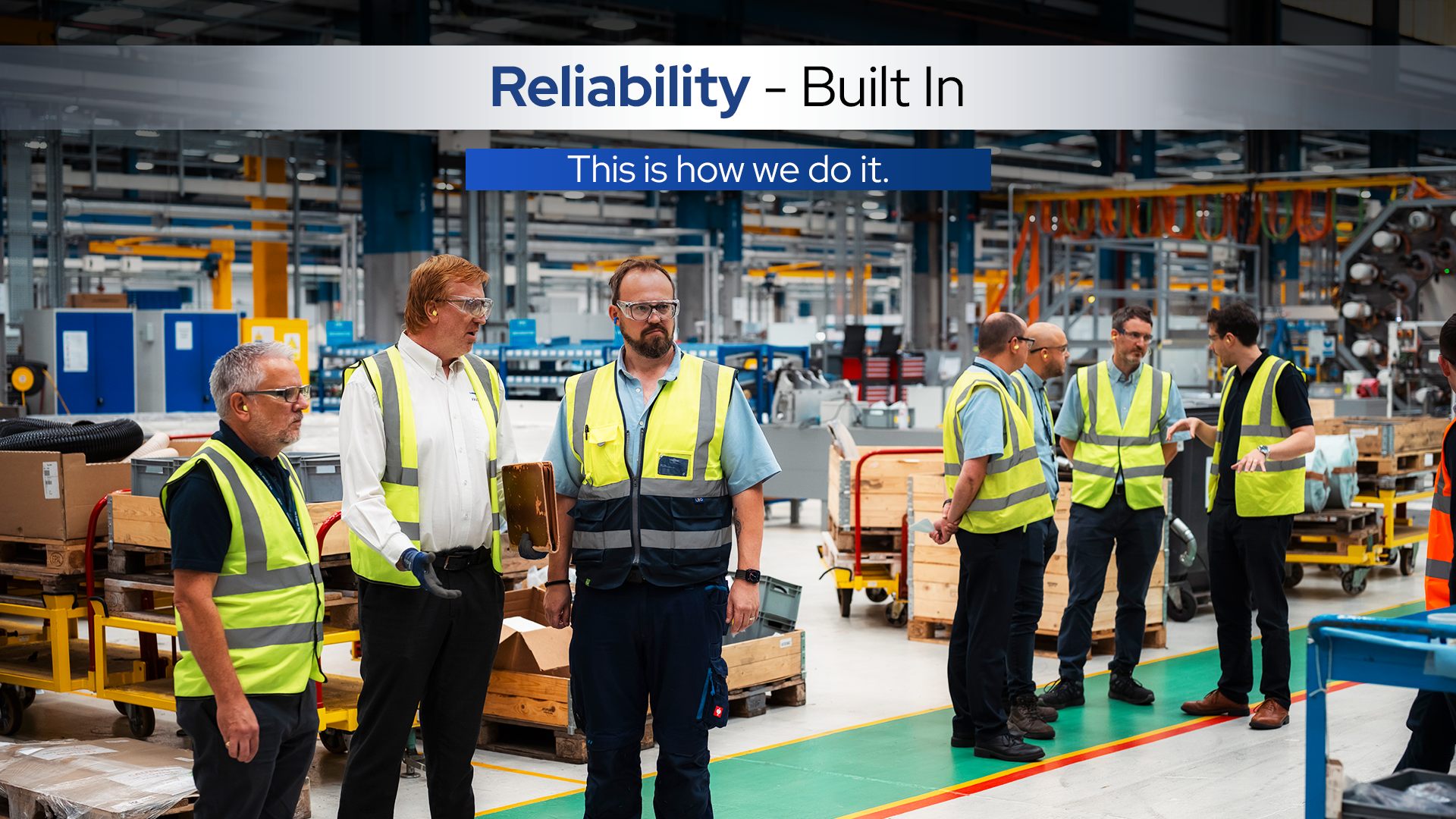
Reliability isn't a feature you add to a machine. It is the result of hundreds of engineering decisions.
Every component, tolerance, lubrication system and access point presents a choice: make it more robust, easier to maintain or more resilient under pressure.
At CMbE, reducing production risk starts with making those decisions deliberately.
Because a reliable canmaking machine isn't just one that performs on day one. It is one that keeps performing at high speed, shift after shift, year after year.
So, how do we engineer for that?
1. Design around production risks
Reliability starts by identifying where a machine is most vulnerable to stress, wear or disruption.
Take vibration in a high-speed Bodymaker. CMbE uses an overbalanced crankshaft to help minimise vibration, while its hydraulic power pack is designed to maintain oil cleanliness to ISO standards. Its hydraulic clutch and brake support accurate stopping at high speeds.
Each decision addresses a practical production risk.
What could compromise performance? How can we engineer around it?
That thinking runs through the machine.
2. Make maintenance part of the design
Maintenance is inevitable. Unnecessary downtime isn't.
CMbE designs machines with serviceability in mind, using features such as accessible guarding, service connections and centralised lubrication.
The Die Necker, for example, incorporates automatic centralised grease lubrication, reducing routine manual intervention. Its design also focuses on improved machine dynamics and reduced changeover and setup time.
The principle is simple:
Don't just design for the machine when it is running. Design for the people who have to maintain it.
3. Engineer for consistency at speed
High-speed production magnifies small problems.
The CMbE Die Necker can operate at up to 3,400 cans per minute . At that speed, reliability depends on much more than achieving maximum output once.
Machine dynamics, precision components, lubrication, tooling and controls all have to work together to deliver consistent performance.
The question isn't simply:
“How fast can it run?”
It is:
“How consistently can it run at that speed?”
4. Build for the long term
Reliability also means longevity.
A canmaking machine is a long-term investment. Its value is measured in years of productive manufacturing, not simply the day it is commissioned.
That means designing for durability and serviceability, while ensuring equipment can continue to evolve with the customer's operation.
Through upgrades, refurbishment, genuine OEM spare parts and technical support, CMbE helps customers maintain and extend the productive life of their equipment.
The goal isn't just to build a machine that lasts. It is to keep it productive.
5. Put people into the reliability equation
Machines don't operate in isolation.
Operators need equipment they can work with. Maintenance teams need practical access. Engineers need the information and expertise to diagnose problems quickly.
That is why usability, accessibility and technical support are part of CMbE's approach to reliability.
And the learning doesn't stop there.
Customer feedback and service experience help identify recurring challenges and opportunities to improve future machines, processes and support.
Reliability gets stronger with experience.
6. Keep supporting the machine after the sale
This is where CMbE's commitment goes beyond the machine itself.
Eventually, every production system will need maintenance, a replacement component, technical advice, servicing or an upgrade.
When that happens, customers need more than a parts catalogue. They need people who understand the equipment and the urgency of keeping production moving.
CMbE's aftermarket and customer support teams help customers diagnose issues, find solutions and maintain their equipment through genuine OEM spare parts, tooling, servicing, refurbishment, upgrades and technical support.
After-sales support isn't separate from engineering. It is an extension of it.
Reliability is a continuous process
There is no single component that makes a canmaking machine reliable.
It comes from decisions made across design, manufacturing, tooling, maintenance, service and customer support.
Identify the risk. Engineer around it. Make maintenance easier. Build for longevity. Learn from experience. Support the machine throughout its life.
That is how CMbE approaches reliability.
With more than 90 years of canmaking engineering experience , our responsibility doesn't end when a machine leaves our facility.
We don't just build the machine.
We help keep it moving.
More News and Updates
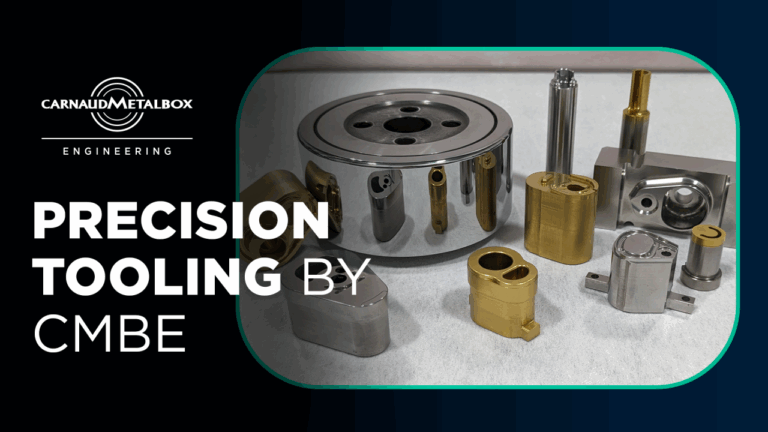
Why CMbE is the Ultimate Choice for Authentic Tooling and Spares
At CMB Engineering (CMbE), we’ve earned our reputation as the go-to provider for authentic tooling and spares in the canmaking industry through dedication, innovation, and an unwavering commitment to quality. But we don’t stop there—our reach and expertise extend across the globe, bolstered by our strategic partnerships with HV Industries and Wissota Tool in the U.S.Here’s why we believe we stand out:💡 Unmatched Expertise: With decades of experience under our belt, we’ve mastered the intricacies of the canmaking process. Our deep knowledge enables us to create tooling solutions that are not only precise but also innovative, keeping us at the forefront of industry advancements. HV Industries and Wissota Tool bring additional layers of expertise, particularly in precision tooling for the U.S. market, ensuring that our solutions meet the highest standards worldwide.🎯 Commitment to Quality: Every tool and spare part we produce undergoes rigorous quality control. We’re proud to say that our commitment to excellence ensures our products meet the highest standards of precision, durability, and performance—and our customers across the globe vouch for it. The contributions from HV Industries and Wissota Tool further enhance our quality promise, offering specialised tooling crafted with American craftsmanship and precision.🔧 Advanced Technology: We leverage state-of-the-art CNC machining and cutting-edge technologies to manufacture our tooling with unparalleled accuracy. This precision is crucial for meeting the demanding requirements of modern canmaking, and with HV Industries and Wissota Tool’s expertise in advanced manufacturing technologies, we deliver tools that are second to none.🌍 Global Support and Service: Our global network, strengthened by our U.S. operations at HV Industries and Wissota Tool, allows us to provide top-notch support to our clients, no matter where they are. From initial consultation to ongoing maintenance, we’re dedicated to offering comprehensive service that helps you get the most out of your tooling. Our presence in the U.S. ensures that we’re always close at hand, providing timely and effective support.🔄 Customization and Flexibility: We understand that every canmaker has unique needs, which is why we offer customised tooling solutions. Our ability to tailor tools to specific requirements sets us apart, ensuring that you get exactly what you need for your production lines. With the added capabilities of HV Industries and Wissota Tool, we can offer even more specialised solutions, particularly for the North American market.At CMB Engineering, we’re not just a provider; we’re your partner in excellence, dedicated to ensuring that your operations run smoothly with the highest quality tools and spares. Whether you’re in Europe, the U.S., or anywhere else in the world, you can count on us to deliver the best in tooling solutions. 🛠️Get in touch to step into the world of quality tooling for your machines.Reach us at sales-USA-Machining@112.196.0.228 or call us:HV: 1-215-322-5500Wissota Tool: (715) 726-2600
READ MORE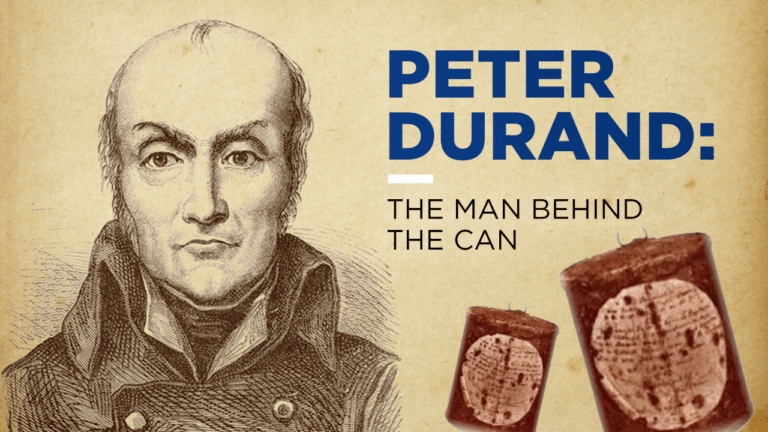
The Man Who Invented Metal Cans: The Legacy of Peter Durand
In the annals of food preservation history, one name stands out for transforming the way we store and transport food: Peter Durand. This British merchant’s innovative thinking and determination led to the creation of the metal can, an invention that has had a profound impact on the food industry and beyond. The Need for a New Preservation MethodThe early 1800s saw an urgent need for reliable food preservation, especially for military purposes. While Nicolas Appert’s method of preserving food in glass jars was groundbreaking, it had limitations due to the fragility and bulkiness of the jars. Peter Durand sought a more durable solution, leading to his invention of the metal can. The Invention of the Metal CanIn 1810, Peter Durand received a patent from King George III for his method of preserving food using tin-coated iron cans. These cans, sealed and heated to destroy bacteria, provided a more durable and practical means of food preservation. The tin coating prevented the iron from reacting with the food, significantly extending its shelf life.Durand’s process created a vacuum seal, ensuring food remained uncontaminated and fresh for long periods. This innovation quickly gained acceptance, particularly within the British Navy, which required reliable food supplies for long voyages. Adoption and EvolutionDurand’s metal cans became widely adopted, and by the mid-19th century, they were mass-produced globally. Innovations such as can openers and improved sealing processes further enhanced their utility. The durability and portability of metal cans made them ideal for both military and commercial use. Peter Durand’s Lasting LegacyPeter Durand’s invention of the metal can revolutionise food storage and transportation, enabling fresh and nutritious meals worldwide. His work laid the foundation for the modern global food industry, facilitating the mass production and distribution of diverse products. Durand’s principles continue to guide contemporary canmaking practices. Celebrating Innovation at CMbEAt CarnaudMetalbox Engineering (CMbE), we honour Nicolas Appert & Peter Durand’s legacy by pushing the boundaries of canmaking technology. Our high-performance, precision-engineered canmaking machinery and end-to-end services apply Durand’s principles with modern efficiency and sophistication.As leaders in the canmaking industry, CMbE is committed to advancing the technology and sustainability of metal cans. By embracing the spirit of innovation that Peter Durand embodied, we strive to make our mark on the world, one can at a time.
READ MORE
Can-tastic Countries: 10 Countries with Highest Soda Consumption!
Pop the top on curiosity and fizz with anticipation as we delve into the effervescent world of soda consumption! At CMbE, where innovation meets refreshment, we’ve carbonated our curiosity to bring you the bubbliest insights.Join us as we crack open the data vault and unveil the Top 10 Countries with Highest Soda Consumption. Let’s raise a can to the nations making a splash in the fizzy beverage scene! Presenting The Top 10 Nations Quenching Their Thirst for Soda 1: Hungary – 310 L per Capita 2: Belgium – 272 L per Capita 3: Argentina – 155 L per Capita 4: United States – 154 L per Capita 5: Chile – 141 L per Capita 6: Mexico – 137 L per Capita 7: Germany – 120 L per Capita 8: Uruguay – 113 L per Capita 9: United Kingdom – 105 L per Capita 10: Norway – 98 L per Capita The global carbonated beverage market size was estimated at USD 442.07 billion in 2022 and it is predicted to reach around USD 654.37 billion by 2032, expanding at a CAGR of 4% during the forecast period from 2023 to 2032. Soda consumption around the world is attributed to a myriad of factors, each contributing to its effervescent popularity. Its accessibility, affordability and tantalising taste make them accessible to a wide range of consumers, from bustling cities to remote villages.And while you’re still here, enjoy these fun facts about soda!The name “soda” was originally derived from the word “sodium,” which was a common component found in natural spring water.About 1.7 billion servings of Coca-Cola are consumed globally every day.In Mexico’s mountain town of San Cristóbal de las Casas – the locals drink just over two litres of soft drink a day, or around 800 litres a year.In essence, the allure of sodas transcends borders, uniting people in a shared appreciation for its fizzy delight. As we raise our cans to toast the Top 10 soda-loving nations, let’s celebrate the cultural phenomenon that is soda and its enduring popularity around the world! Sources: World Population Review, Precedence Research
READ MORE