



Why Die Neckers Are the Secret Behind Lightweight Cans and Lower Production Costs
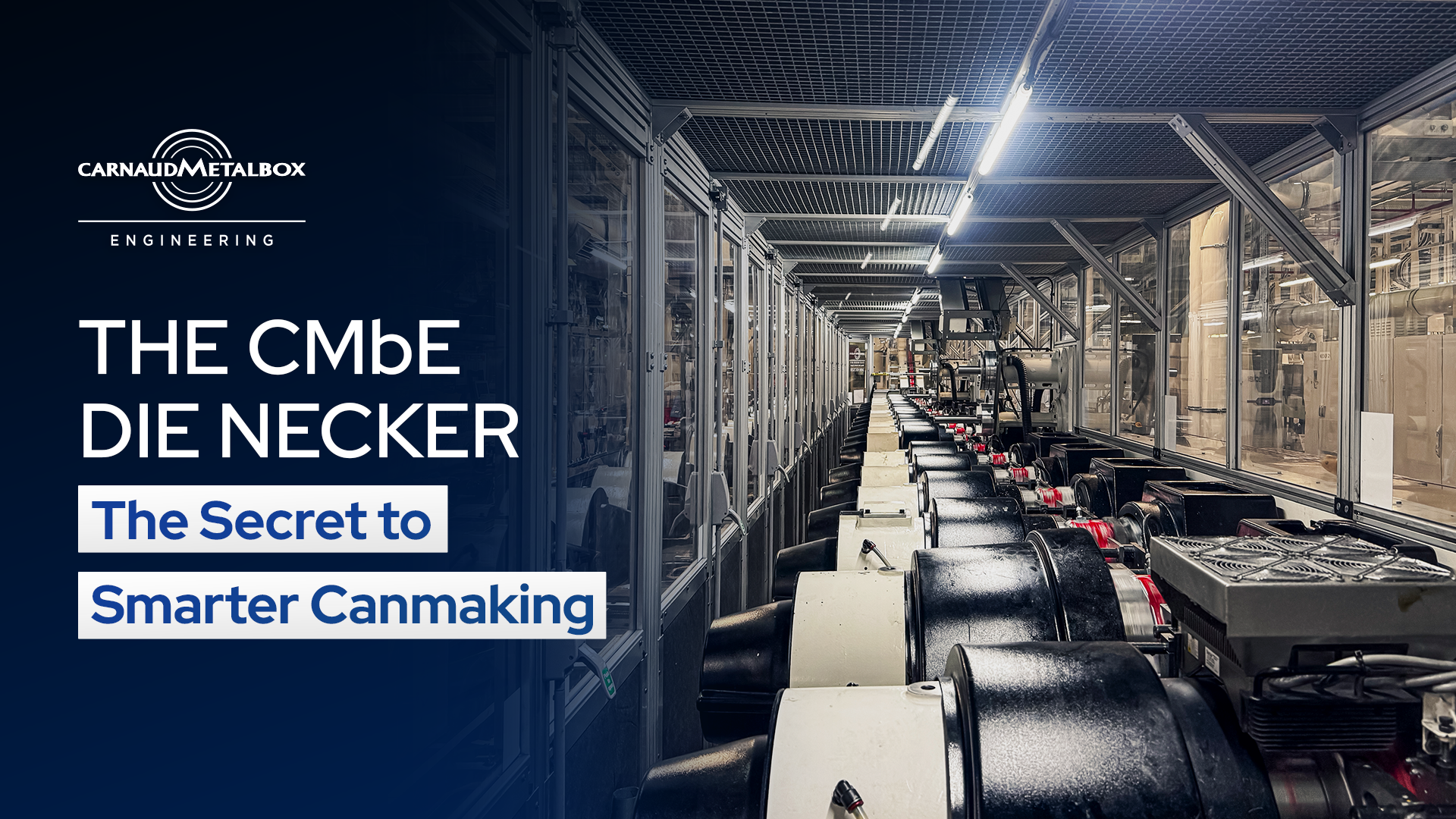
In modern beverage packaging, every gram matters.
As manufacturers push toward lighter aluminium cans, the challenge isn’t just reducing material - it’s maintaining strength, consistency, and production efficiency. This is where the CMbE Die Necker machine becomes critical.
What Is the Can Necking Process?
The can necking process is the stage where the top of a cylindrical can is gradually reduced in diameter to fit the lid (end). Instead of a single step, this happens across multiple stages to avoid material stress or deformation.
A high-performance Die Necker machine ensures:
- Smooth diameter reduction
- Structural integrity of thin walls
- Consistent output at high speeds
Without precise necking, lightweight cans would simply collapse under pressure.
Why Die Neckers Matter for Lightweighting
Lightweighting is one of the biggest trends in aluminium packaging today. But thinner material increases the risk of:
- Wrinkling
- Splitting
- Shape inconsistency
The CMbE Die Necker solves this by using multi-stage tooling and controlled force distribution, allowing manufacturers to reduce material usage without compromising can performance.
The result:
Less aluminium per can = lower raw material costs at scale
Speed + Precision = Real Cost Savings
Modern Die Neckers are built for both speed and reliability.
Machines like those from CMbE can operate at speeds of up to 3400 cans per minute, ensuring:
- High throughput
- Minimal bottlenecks in production lines
- Consistent quality across millions of units
But speed alone isn’t enough.
Features like:
- Reduced changeover time
- Centralised lubrication systems
- Improved machine dynamics
help minimise downtime - one of the biggest hidden costs in can manufacturing.
Efficiency Beyond the Machine
The Die Necker isn’t just another machine in the line - it directly impacts:
- Material consumption
- Line efficiency
- Maintenance cycles
- Overall cost per can
For manufacturers, even a small improvement in necking precision can translate into significant savings across billions of cans annually.
Experience CMbE
As the industry moves toward lighter, more sustainable aluminium cans, the importance of precision engineering will only grow.
And at the heart of that shift lies a critical process - one that quietly shapes every can you hold.
Visit our website www.cmbe.com to learn more or contact us:
T: +44(0)1274 846200
E: sales@cmbe.com
More News and Updates
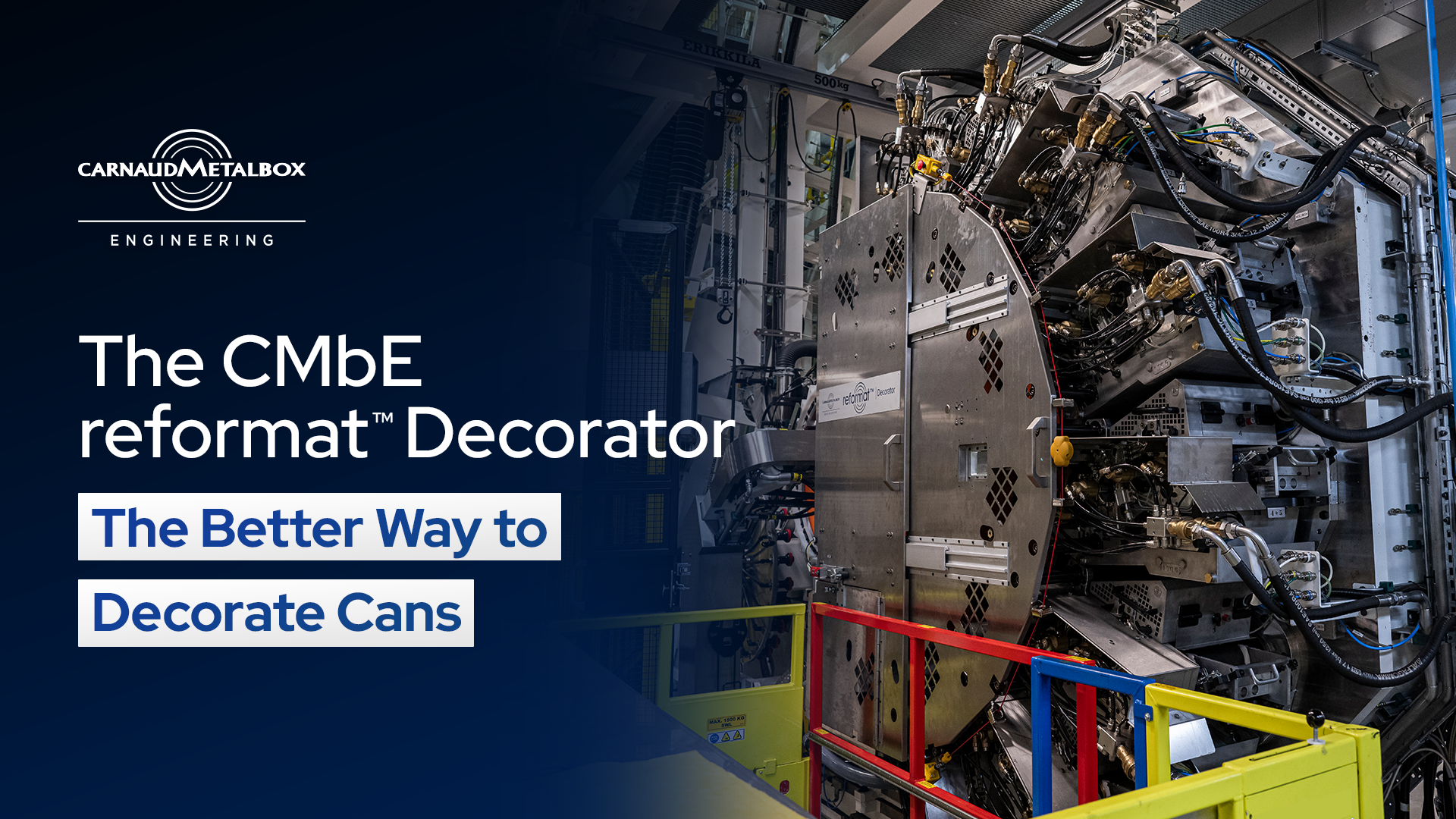
How the CMbE reformat™ Decorator Enables High-Quality Branding on Cans at Industrial Scale
In a retail environment where shelf appeal drives decisions in seconds, branding on cans isn’t just design - it’s engineering.Behind every sharply printed beverage can is a highly specialised can printing machine, capable of delivering consistent, high-quality output at extreme speeds. This is where the CMbE reformat™ Decorator plays a critical role.Why Can Decoration Is More Complex Than It LooksPrinting on aluminium isn’t like printing on paper.The surface is:CurvedLightweightMoving at high speedsMaintaining perfect registration, colour consistency, and finish across thousands of cans per minute requires precision control at every stage.Even minor inconsistencies can lead to:Blurred graphicsColour misalignmentBrand inconsistency at scaleHow the reformat™ Decorator Delivers Consistency at SpeedThe CMbE reformat™ Decorator is engineered to balance print quality with industrial throughput, operating at speeds of up to 2000 cans per minute.Key innovations that enable this include:Servo registration systemsEnsures precise alignment of graphics, reducing setup time and material wasteIndependently driven inkersEach inker operates with its own motor, allowing fine control over colour applicationDirect drive servo motorsImprove efficiency while reducing maintenance requirementsVariable speed ductor rollersAllow real-time adjustments for optimal ink transfer without stopping the lineTogether, these features ensure that every can maintains consistent branding quality - even at scale.Built for Efficiency, Not Just OutputIn high-volume manufacturing, efficiency goes beyond speed.Our reformat™ Decorator is designed with:Quick changeover capabilities to reduce downtimeTool-less adjustments for faster setupIntelligent drive systems for machine condition monitoringThis means manufacturers can:Switch between designs fasterReduce production interruptionsMaintain consistent output across long runsBranding Meets Manufacturing RealityFor beverage brands, packaging is often the first point of interaction with consumers.But delivering that visual consistency across millions of cans requires more than design - it requires engineering precision at industrial scale.A high-performance can printing machine ensures that branding isn’t compromised by speed, volume, or operational complexity.Experience CMbEAs competition on retail shelves intensifies, the demand for high-quality, consistent branding for cans will only increase.And behind that consistency is a system designed to perform at speed - accurately, and at scale.Visit our website www.cmbe.com to learn more or contact us:T: +44(0)1274 846200E: sales@cmbe.com
READ MORE
Why Die Neckers Are the Secret Behind Lightweight Cans and Lower Production Costs
In modern beverage packaging, every gram matters.As manufacturers push toward lighter aluminium cans, the challenge isn’t just reducing material - it’s maintaining strength, consistency, and production efficiency. This is where the CMbE Die Necker machine becomes critical.What Is the Can Necking Process?The can necking process is the stage where the top of a cylindrical can is gradually reduced in diameter to fit the lid (end). Instead of a single step, this happens across multiple stages to avoid material stress or deformation.A high-performance Die Necker machine ensures:Smooth diameter reductionStructural integrity of thin wallsConsistent output at high speedsWithout precise necking, lightweight cans would simply collapse under pressure.Why Die Neckers Matter for LightweightingLightweighting is one of the biggest trends in aluminium packaging today. But thinner material increases the risk of:WrinklingSplittingShape inconsistencyThe CMbE Die Necker solves this by using multi-stage tooling and controlled force distribution, allowing manufacturers to reduce material usage without compromising can performance.The result:Less aluminium per can = lower raw material costs at scaleSpeed + Precision = Real Cost SavingsModern Die Neckers are built for both speed and reliability.Machines like those from CMbE can operate at speeds of up to 3400 cans per minute, ensuring:High throughputMinimal bottlenecks in production linesConsistent quality across millions of unitsBut speed alone isn’t enough.Features like:Reduced changeover timeCentralised lubrication systemsImproved machine dynamicshelp minimise downtime - one of the biggest hidden costs in can manufacturing.Efficiency Beyond the MachineThe Die Necker isn’t just another machine in the line - it directly impacts:Material consumptionLine efficiencyMaintenance cyclesOverall cost per canFor manufacturers, even a small improvement in necking precision can translate into significant savings across billions of cans annually.Experience CMbEAs the industry moves toward lighter, more sustainable aluminium cans, the importance of precision engineering will only grow.And at the heart of that shift lies a critical process - one that quietly shapes every can you hold.Visit our website www.cmbe.com to learn more or contact us:T: +44(0)1274 846200E: sales@cmbe.com
READ MORE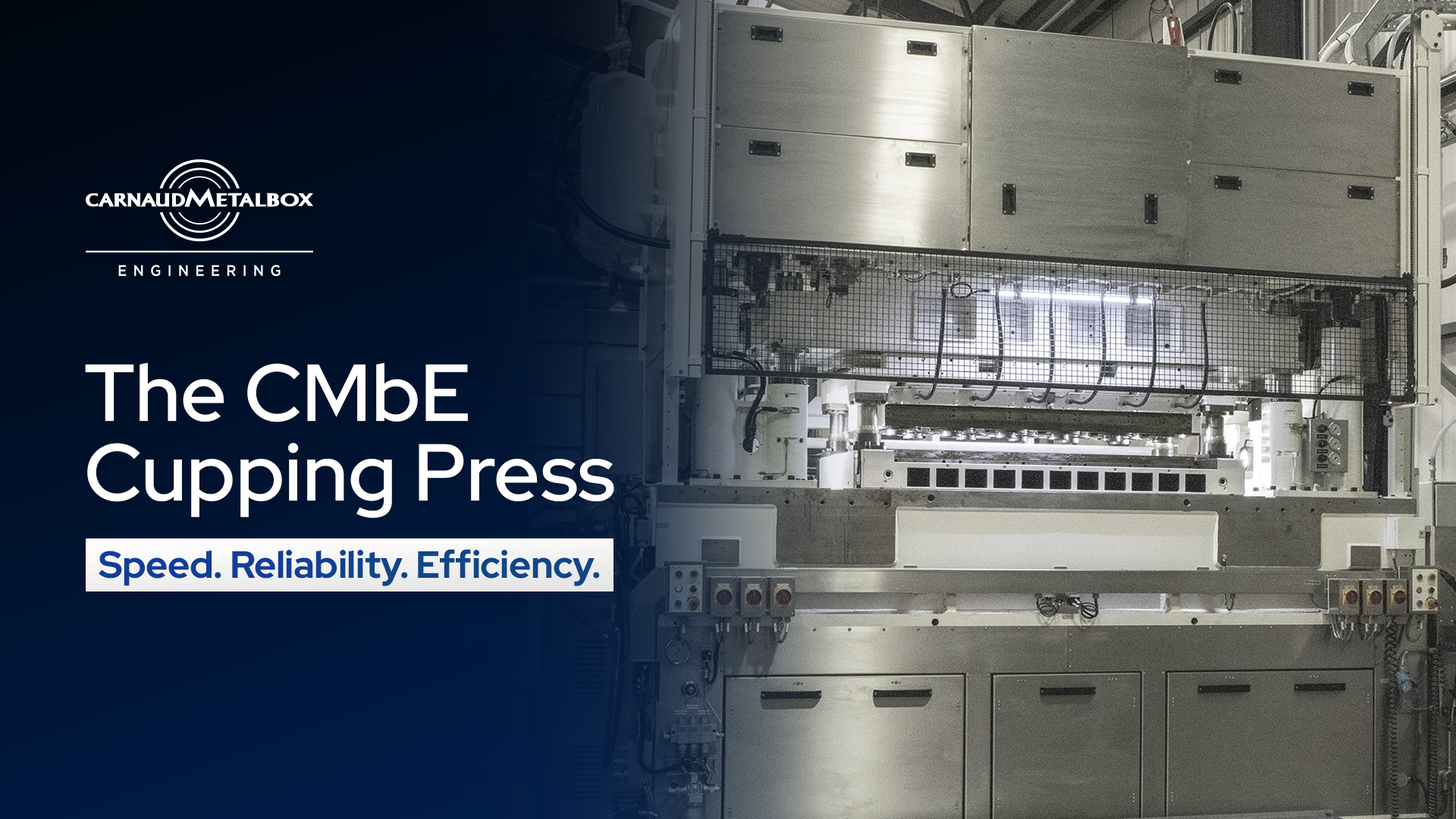
The Role of High-Speed Cupping Presses in Boosting Beverage Can Production Efficiency
In can production, efficiency starts at the very first step.Before shaping, ironing, and finishing, every can begins as a cup. And the quality, speed, and consistency of that cup depend entirely on one machine: the cupping press.The CMbE Cupping Press is engineered to do more than just form cups. It sets the pace for the entire production line.Speed That Drives OutputWith speeds of up to 300 strokes per minute, the CMbE Cupping Press delivers high-volume production without compromising consistency .This means:Higher throughputReduced bottlenecksSmoother downstream operationsStability at High SpeedsSpeed only matters if it’s stable.The machine’s dynamically counterbalanced design and under-driven architecture reduce vibration and ensure consistent forming even at peak speeds .Result:Uniform cupsLonger tooling lifeReliable performancePrecision That Improves EfficiencyEfficiency is built on control.Key features like:Adjustable shut heightsMagnetic clamping for the inner slideallow quick setup, accurate forming, and minimal downtime .Built for High-Volume ProductionThe CMbE metal forming press is designed for scale:Handles coils up to 72 inchesSupports multi-station tooling (up to 16 dies)This enables continuous, large-scale can production with fewer interruptions .Smart, Operator-Friendly DesignWith features like:Portable HMIAutoBAR™ automation3” slide stroke for easy accessthe machine improves usability while reducing manual intervention and downtime .ConclusionThe CMbE Cupping Press is not just about speed, it’s about efficient, controlled, and scalable production.By combining high-speed performance with precision engineering, it helps manufacturers:Maximize outputReduce wasteImprove overall line efficiencyBecause in can manufacturing, efficiency doesn’t start at the end. It starts at the first press.
READ MORE