Blog January 19, 2026

كيف تُصنع العلب؟ دليل تفصيلي

Precision Manufacturing

هل تساءلت يوماً ما عن رحلة مشروبك المفضل من مصنع التصنيع إلى يدك، وكل ذلك في علبة أنيقة ولامعة؟ في حين أننا غالباً ما نعتبر هذه الأشياء اليومية أمراً مفروغاً منه، إلا أن عملية تصنيع العلبة هي قصة رائعة من الهندسة الدقيقة والآلات المتقدمة والتكنولوجيا المبتكرة.

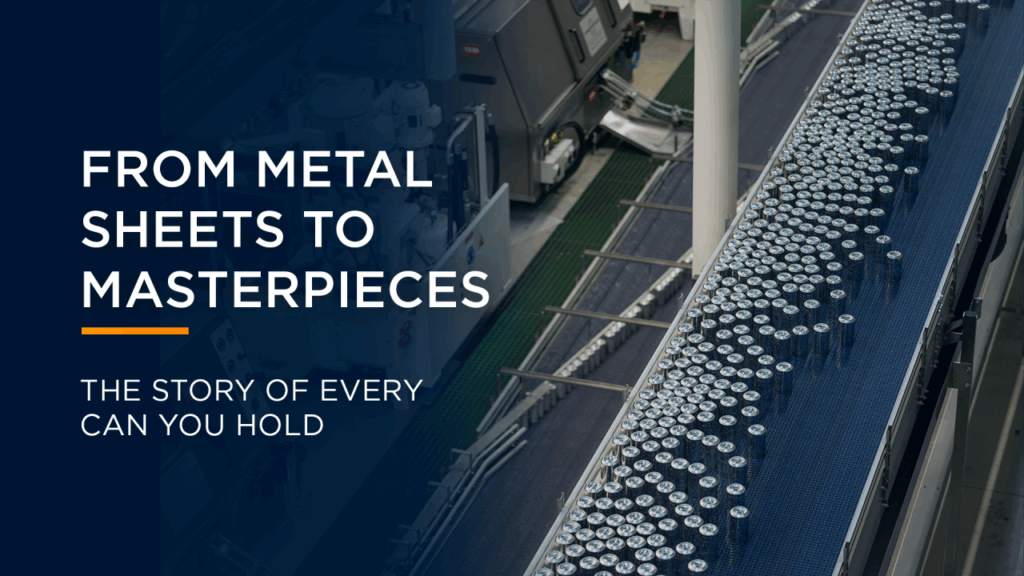
هل تعلم أن صناعة العلب تبدأ بلفّة ضخمة من صفائح الألومنيوم تزن 13 طناً؟ هذه اللفة العملاقة قادرة على إنتاج 750,000 علبة مذهلة! تبدأ عملية التحويل حيث يتم كبس الصفيحة المعدنية في فراغات دائرية يتم تشكيلها بعد ذلك إلى أكواب. ومن هناك، تخضع الأكواب لسلسلة من العمليات المعقدة، وتتطور خطوة بخطوة إلى العلب الجاهزة التي تصطف على رفوف المتاجر الكبرى.

انضم إلينا بينما نكشف النقاب عن العملية المعقدة لصناعة العلب خطوة بخطوة ونستكشف الآلات المذهلة التي تحول المواد الخام إلى حاويات متينة قابلة لإعادة التدوير تحافظ على بضائعنا طازجة وآمنة.

الخطوة 1

تتضمن المرحلة الأولى في تشكيل العلبة إنشاء شكل كوب من الصفيحة المعدنية. وتتم هذه العملية بمساعدة مكبس الحجامة – الذي يقطع الفراغات الدائرية من الصفيحة المعدنية. ثم يتم سحب الفراغات بعد ذلك إلى أكواب ضحلة باستخدام آلية التثقيب والقالب.

الخطوة 2

بعد ذلك، يقوم صانع الجسم بأخذ الأكواب الضحلة المُشكّلة مسبقاً وتمديدها إلى شكلها النهائي. وتتضمن هذه العملية سحب الكوب من خلال سلسلة من الحلقات التي تعمل على إطالة الكوب وترقيق جدرانه، وهي تقنية تعرف باسم ”السحب والكي“ (D&I). ويضمن التحكم الدقيق في هذه العملية أن يكون جسم العلبة رقيقًا بشكل موحد وبالارتفاع والقطر المطلوبين.

 
bodymaker
الخطوة 3

بعد سحب الأكواب وتسويتها، تقوم أداة التشذيب بقص المواد الزائدة من أعلى العلبة لتحقيق ارتفاع متناسق. هذه الخطوة ضرورية لضمان مطابقة جميع العلب للمواصفات الدقيقة المطلوبة لمزيد من المعالجة والتجميع النهائي.

trimmer
الخطوة 4

ثم تنتقل العلب المشكلة حديثًا إلى الغسالة على حزام ناقل. وهنا، يتم غسل العلب بدقة في عملية تنظيف من 6 مراحل باستخدام المواد الكيميائية والمياه منزوعة الأيونات في درجة حرارة مضبوطة. تخرج العلب من الغسالة لامعة وبراقة وجاهزة للدخول في مرحلة التجفيف.

الخطوة 5

بعد الغسيل، يتم تمرير العلب في فرن تجفيف للتخلص من أي رطوبة متبقية. تضمن هذه المرحلة جفاف العلب تمامًا، مما يوفر سطحًا نظيفًا وثابتًا لعملية الطباعة اللاحقة. يعد التجفيف المناسب ضروريًا للحفاظ على سلامة العلبة وضمان التصاق الطلاء المطبق لاحقًا بشكل لا تشوبه شائبة.

الخطوة 6

يتم تزيين العلب التي تم تنظيفها حديثًا وتوسيمها بواسطة مزخرف. تستخدم آلة التزيين CMbE Reformat™ Decorator، التي تطبع ما يصل إلى 2000 علبة في الدقيقة، نظام طباعة دوّار مع 8 أحبار، يتم تشغيل كل منها بمحرك مستقل خاص بها، مما يضمن طباعة فعالة ودقيقة. وفي النهاية، يتم وضع طبقة من الورنيش على العلب لحماية الحبر، وبعد ذلك يتم نقلها إلى الفرن لتجف.

الخطوة 7

تعد مرحلة فرن الدبوس في صناعة العلب ضرورية لمعالجة الحبر المطبق حديثًا على العلب. في هذه المرحلة، يتم وضع العلب بإحكام على دبابيس ونقلها عبر فرن ساخن. تضمن الحرارة التي يتم التحكم فيها التصاق الحبر بشكل صحيح بسطح العلبة، مما يعزز المتانة ويمنع التلطخ. ترسي هذه العملية الأساس لطلاء يدوم طويلاً وبجودة عالية، ويكون جاهزاً لمزيد من المعالجة أو التعبئة.

الخطوة 8

تدخل العلب الآن إلى ماكينة الرش بالورنيش المتطورة التي ترش ورنيشاً مائياً على الجزء الداخلي من العلب. يعمل هذا الورنيش كحاجز بين المشروب والألومنيوم، فيحمي المشروب من المعدن، ويحمي المعدن من المشروب في الوقت نفسه.

spray machine
الخطوة 9

بعد ذلك، تمر العلب من خلال فرن خبز داخلي، وهو أمر بالغ الأهمية لمعالجة الطلاء الداخلي للورنيش المطبق على العلب. وهنا، يتم تعريض العلب لحرارة خاضعة للتحكم لضمان التصاق الطلاء بالورنيش بشكل صحيح وإنشاء طبقة واقية متينة. ويحمي هذا الطلاء الجزء الداخلي للعلبة من التآكل ويحافظ على جودة محتوياتها، مما يضمن جاهزية العلب للتعبئة والختم.

الخطوة 10

وأخيرًا، تلتقي العلب بماكينة نكر القوالب – وهي ماكينة متخصصة مهمتها تصغير قطر الجزء العلوي من جسم العلبة لإعداده لإغلاقه بطرف. تضمن هذه الخطوة الحاسمة، والمعروفة باسم النقر، أن يكون للعلبة الأبعاد الصحيحة لربط الطرف وتساعد في إنشاء ختم قوي وآمن. وبمجرد اكتمال هذه المرحلة، تنتقل العلبة بعد ذلك إلى المنصة النقالة ويتم تخزينها لتكون جاهزة للشحن.

 
die necker

وها هي ذي! العلبة المثالية.

من المهم ملاحظة أن كل علبة تمر عبر نظام رؤية متطور يقوم بتصوير العلبة من الداخل. يتم إعادة إرسال أي علبة لا تفي بمعايير الجودة لإعادة تدويرها، إلى جانب بقايا صفائح الألمنيوم من الخطوة 1.

تُعد عملية صناعة العلب أعجوبة الهندسة الحديثة، حيث تشتمل على العديد من الآلات المتخصصة التي تعمل في تناغم لإنتاج عبوات عالية الجودة وموثوقة. بدءًا من تحضير المواد الخام وحتى الفحص النهائي، فإن كل خطوة من هذه الخطوات مهمة للغاية لضمان أن تكون العلب التي نستخدمها ليست عملية فحسب، بل آمنة وممتعة من الناحية الجمالية أيضًا.

نفخر في CMbE بأن نكون في طليعة هذه الصناعة، حيث نقدم حلولاً مبتكرة تعزز الكفاءة والمرونة والاستدامة في صناعة العلب. علاوة على ذلك، تمتد خبرتنا لتشمل  أعمال المسارات والنقلمما يضمن نقل المواد بسلاسة وكفاءة في جميع أنحاء خط الإنتاج. لدينا أحدث ما توصلت إليه  ورش الأدوات توفير أدوات دقيقة وحلول مخصصة مصممة خصيصًا لتلبية احتياجات التصنيع المحددة.

بالإضافة إلى ذلك، نقدم من خلال شركائنا الموثوق بهم حلولاً متكاملة متكاملة من خلال إدارة كل جانب من جوانب عملية الإنتاج بدءاً من التصميم الأولي وحتى التنفيذ النهائي. يتيح لنا هذا النهج الشامل تقديم حلول متكاملة وسلسة تعمل على تحسين الكفاءة وتعزيز الإنتاجية وضمان أعلى معايير الجودة في هذا المجال.

قم بزيارة موقعنا الإلكتروني www.cmbe.com لمعرفة المزيد.

More News and Updates

Precision Manufacturing

Can-tastic Countries: 10 Countries with Highest Soda Consumption!

Pop the top on curiosity and fizz with anticipation as we delve into the effervescent world of soda consumption! At CMbE, where innovation meets refreshment, we’ve carbonated our curiosity to bring you the bubbliest insights.Join us as we crack open the data vault and unveil the Top 10 Countries with Highest Soda Consumption. Let’s raise a can to the nations making a splash in the fizzy beverage scene! Presenting The Top 10 Nations Quenching Their Thirst for Soda 1: Hungary – 310 L per Capita 2: Belgium – 272 L per Capita 3: Argentina – 155 L per Capita 4: United States – 154 L per Capita 5: Chile – 141 L per Capita 6: Mexico – 137 L per Capita 7: Germany – 120 L per Capita 8: Uruguay – 113 L per Capita 9: United Kingdom – 105 L per Capita 10: Norway – 98 L per Capita The global carbonated beverage market size was estimated at USD 442.07 billion in 2022 and it is predicted to reach around USD 654.37 billion by 2032, expanding at a CAGR of 4% during the forecast period from 2023 to 2032. Soda consumption around the world is attributed to a myriad of factors, each contributing to its effervescent popularity. Its accessibility, affordability and tantalising taste make them accessible to a wide range of consumers, from bustling cities to remote villages.And while you’re still here, enjoy these fun facts about soda!The name “soda” was originally derived from the word “sodium,” which was a common component found in natural spring water.About 1.7 billion servings of Coca-Cola are consumed globally every day.In Mexico’s mountain town of San Cristóbal de las Casas – the locals drink just over two litres of soft drink a day, or around 800 litres a year.In essence, the allure of sodas transcends borders, uniting people in a shared appreciation for its fizzy delight. As we raise our cans to toast the Top 10 soda-loving nations, let’s celebrate the cultural phenomenon that is soda and its enduring popularity around the world! Sources: World Population Review, Precedence Research

READ MORE
Precision Manufacturing

The Man Who Invented Metal Cans: The Legacy of Peter Durand

In the annals of food preservation history, one name stands out for transforming the way we store and transport food: Peter Durand. This British merchant’s innovative thinking and determination led to the creation of the metal can, an invention that has had a profound impact on the food industry and beyond. The Need for a New Preservation MethodThe early 1800s saw an urgent need for reliable food preservation, especially for military purposes. While Nicolas Appert’s method of preserving food in glass jars was groundbreaking, it had limitations due to the fragility and bulkiness of the jars. Peter Durand sought a more durable solution, leading to his invention of the metal can. The Invention of the Metal CanIn 1810, Peter Durand received a patent from King George III for his method of preserving food using tin-coated iron cans. These cans, sealed and heated to destroy bacteria, provided a more durable and practical means of food preservation. The tin coating prevented the iron from reacting with the food, significantly extending its shelf life.Durand’s process created a vacuum seal, ensuring food remained uncontaminated and fresh for long periods. This innovation quickly gained acceptance, particularly within the British Navy, which required reliable food supplies for long voyages. Adoption and EvolutionDurand’s metal cans became widely adopted, and by the mid-19th century, they were mass-produced globally. Innovations such as can openers and improved sealing processes further enhanced their utility. The durability and portability of metal cans made them ideal for both military and commercial use. Peter Durand’s Lasting LegacyPeter Durand’s invention of the metal can revolutionise food storage and transportation, enabling fresh and nutritious meals worldwide. His work laid the foundation for the modern global food industry, facilitating the mass production and distribution of diverse products. Durand’s principles continue to guide contemporary canmaking practices. Celebrating Innovation at CMbEAt CarnaudMetalbox Engineering (CMbE), we honour Nicolas Appert & Peter Durand’s legacy by pushing the boundaries of canmaking technology. Our high-performance, precision-engineered canmaking machinery and end-to-end services apply Durand’s principles with modern efficiency and sophistication.As leaders in the canmaking industry, CMbE is committed to advancing the technology and sustainability of metal cans. By embracing the spirit of innovation that Peter Durand embodied, we strive to make our mark on the world, one can at a time.

READ MORE
Precision Manufacturing

Why CMbE is the Ultimate Choice for Authentic Tooling and Spares

At CMB Engineering (CMbE), we’ve earned our reputation as the go-to provider for authentic tooling and spares in the canmaking industry through dedication, innovation, and an unwavering commitment to quality. But we don’t stop there—our reach and expertise extend across the globe, bolstered by our strategic partnerships with HV Industries and Wissota Tool in the U.S.Here’s why we believe we stand out:💡 Unmatched Expertise: With decades of experience under our belt, we’ve mastered the intricacies of the canmaking process. Our deep knowledge enables us to create tooling solutions that are not only precise but also innovative, keeping us at the forefront of industry advancements. HV Industries and Wissota Tool bring additional layers of expertise, particularly in precision tooling for the U.S. market, ensuring that our solutions meet the highest standards worldwide.🎯 Commitment to Quality: Every tool and spare part we produce undergoes rigorous quality control. We’re proud to say that our commitment to excellence ensures our products meet the highest standards of precision, durability, and performance—and our customers across the globe vouch for it. The contributions from HV Industries and Wissota Tool further enhance our quality promise, offering specialised tooling crafted with American craftsmanship and precision.🔧 Advanced Technology: We leverage state-of-the-art CNC machining and cutting-edge technologies to manufacture our tooling with unparalleled accuracy. This precision is crucial for meeting the demanding requirements of modern canmaking, and with HV Industries and Wissota Tool’s expertise in advanced manufacturing technologies, we deliver tools that are second to none.🌍 Global Support and Service: Our global network, strengthened by our U.S. operations at HV Industries and Wissota Tool, allows us to provide top-notch support to our clients, no matter where they are. From initial consultation to ongoing maintenance, we’re dedicated to offering comprehensive service that helps you get the most out of your tooling. Our presence in the U.S. ensures that we’re always close at hand, providing timely and effective support.🔄 Customization and Flexibility: We understand that every canmaker has unique needs, which is why we offer customised tooling solutions. Our ability to tailor tools to specific requirements sets us apart, ensuring that you get exactly what you need for your production lines. With the added capabilities of HV Industries and Wissota Tool, we can offer even more specialised solutions, particularly for the North American market.At CMB Engineering, we’re not just a provider; we’re your partner in excellence, dedicated to ensuring that your operations run smoothly with the highest quality tools and spares. Whether you’re in Europe, the U.S., or anywhere else in the world, you can count on us to deliver the best in tooling solutions. 🛠️Get in touch to step into the world of quality tooling for your machines.Reach us at sales-USA-Machining@112.196.0.228 or call us:HV: 1-215-322-5500Wissota Tool: (715) 726-2600

READ MORE